The Jacob Misiorowski Cutter Changed Everything — Including the Injury Calculus
 Pickviz
6 min read
Pickviz
6 min read
The Jacob Misiorowski Cutter Changed Everything — Including the Injury Calculus
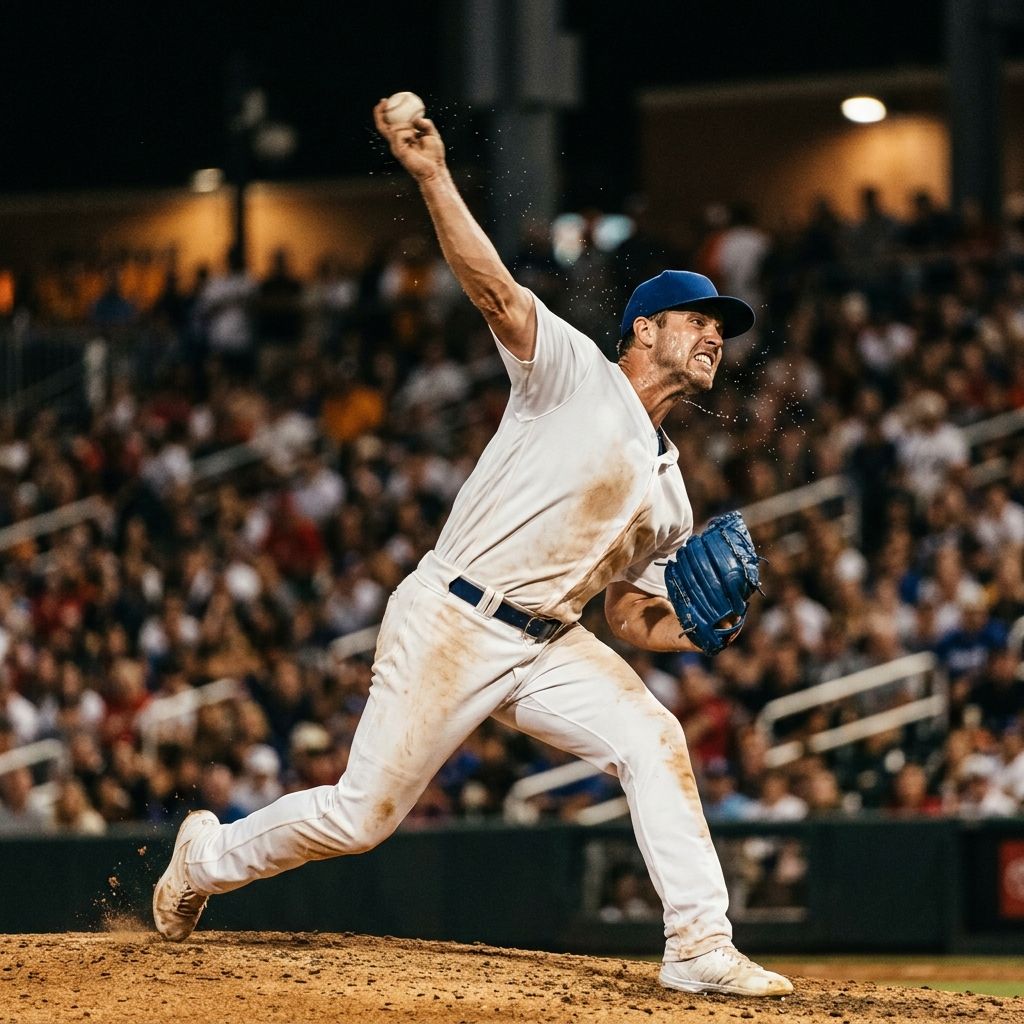
Jacob Misiorowski throws harder than any starting pitcher in recorded history. His four-seam fastball averages 100.5 mph. He has touched 105.5. On May 25 against St. Louis, he threw 57 pitches at 100 mph or above — in a single game. Those numbers are not normal. They are not supposed to be sustainable.
And yet, through 18 starts and 111 innings in 2026, Misiorowski owns a 1.62 ERA, 167 strikeouts, and a 0.76 WHIP. He is the NL Cy Young frontrunner. He was an All-Star for the second consecutive year. He is, by almost any measure, the most dominant pitcher in baseball right now.
But here’s the sentence that should matter more than any of those stats: the Jacob Misiorowski cutter, a pitch he barely threw before this season, may be the single reason his arm survives 2026.
The Arsenal Shift That Nobody Is Talking About
Before 2026, Misiorowski was essentially a two-pitch pitcher. Fastball. Curveball. He threw a changeup occasionally, but it was a forgettable offering — a pitch he used less than 5% of the time, more out of obligation than conviction.
This season, the changeup is effectively gone. In its place sits a 95-96 mph cutter that Misiorowski now throws approximately 14% of the time. That number sounds modest, but consider what it replaced:
| Pitch | 2025 Usage | 2026 Usage | Avg. Velocity | Role |
|---|---|---|---|---|
| Four-Seam Fastball | ~72% | ~63% | 100.5 mph | Primary weapon |
| Cutter | <1% | ~14% | 95-96 mph | LHH neutralizer, arm-saver |
| Curveball | ~18% | ~11% | 87-88 mph | Chase/put-away |
| Slider | ~7% | ~11% | ~92 mph | Secondary break |
| Changeup | ~3% | <1% | — | Eliminated |
Sources: Brooks Baseball pitch-tracking data, FanGraphs pitch values, as of July 17, 2026.
That fastball usage dropped from 72% to 63%. Nine percentage points. Over 111 innings, that means roughly 150 fewer max-effort fastballs thrown this season compared to the same pace in 2025. Every one of those 150 reps was a pitch where his arm was producing force at or near the physiological ceiling of what a human elbow can tolerate.
The cutter absorbed almost all of that displaced volume. And it throws at 95-96 mph — still elite by any standard, but 4-5 mph below the redline effort of his four-seamer. Those 4-5 mph represent a meaningful reduction in stress per pitch.
Why the Cutter Works Against Lefties
The original problem was simple: left-handed hitters sat on Misiorowski’s fastball and could time it. Without a quality off-speed pitch that moved to their back hip, he had no counter. The changeup wasn’t good enough to keep them honest.
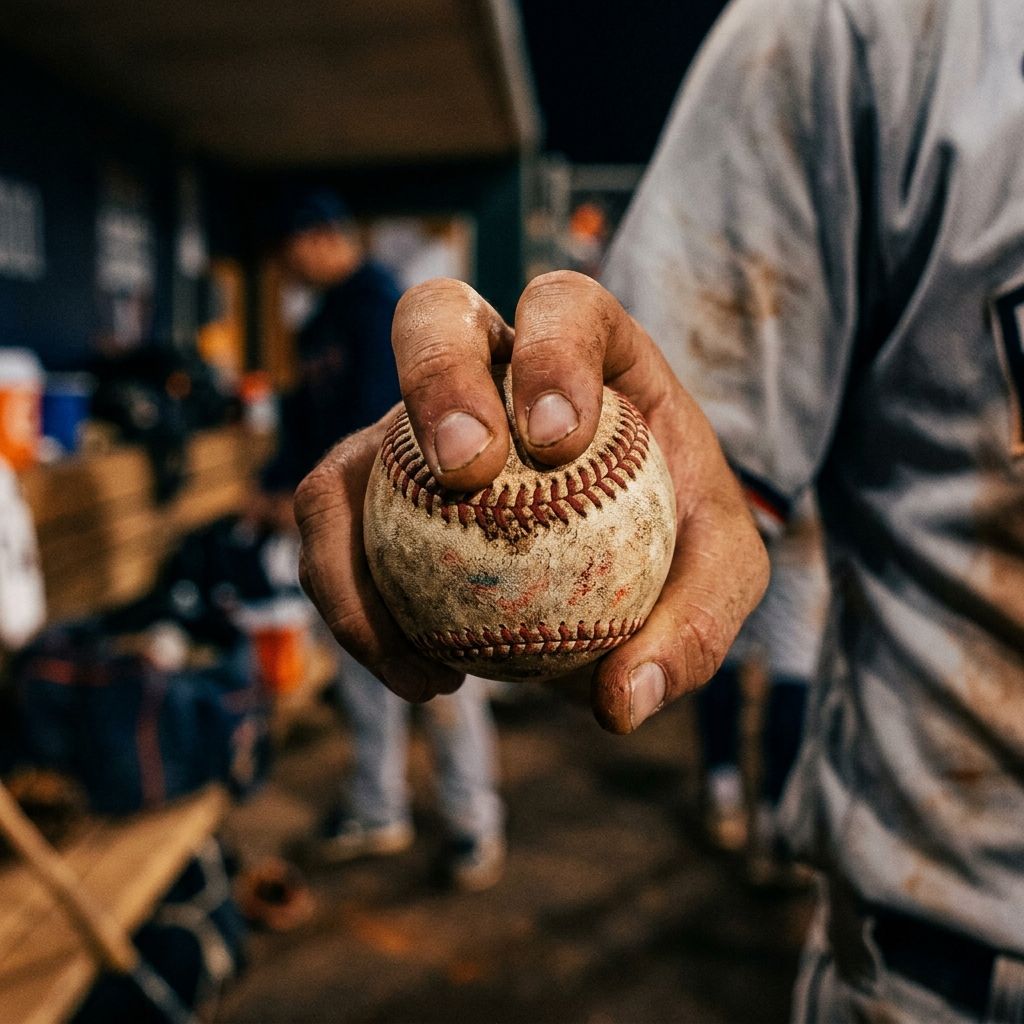
The cutter solved this in a way the changeup never could. At 95-96 mph, it arrives at the plate fast enough that hitters can’t distinguish it from the four-seamer out of the hand. But instead of riding up and in on a lefty (like the fastball), the cutter cuts glove-side — running in on a left-handed hitter’s hands and jamming them.
The Brewers and Misiorowski have clarified that they consider this primary hard offering a cutter, while maintaining a separate, distinct “true” slider in his arsenal. — Sports Illustrated, July 2026
This distinction matters because pitch-classification algorithms initially tagged some of Misiorowski’s cutters as sliders. The Brewers pushed back. They want hitters to think “slider” while actually facing something 5 mph harder than a typical slider. It’s a deliberate deception built into the pitch design.
The Arm Fatigue Timeline
On July 12, Misiorowski was scratched from his start against the Pirates with right arm fatigue. He missed the All-Star Game. The immediate reaction was panic: the hardest-throwing starter in history was already breaking down.
But look at the context:
- He had thrown 111 innings through 18 starts — approaching his total combined workload from all of 2025
- His fastball velocity had not declined; his most recent starts still averaged over 100 mph
- He began a light throwing program within days and is expected to return for the July 20 series against the Mets
- The Brewers did not place him on the injured list
This reads less like an injury and more like a planned off-ramp. The Brewers knew the workload was accumulating. The All-Star break provided a natural window to give him extra rest without missing meaningful starts. The “arm fatigue” diagnosis may have been less about acute damage and more about proactive load management disguised as a minor scare.
That interpretation makes the cutter’s role even more important. If Misiorowski were still throwing 72% four-seamers, he would have thrown roughly 150 more max-effort pitches by this point in the season. At 100+ mph, each of those pitches puts strain on the ulnar collateral ligament that no amount of conditioning can fully offset. The cutter — by reducing that count — may be buying him the innings he needs to reach October.
The Cy Young Case in Numbers
Even with the missed start, Misiorowski’s first-half numbers put him in historically rare company:
- 1.62 ERA — lowest in MLB entering the second half
- 167 strikeouts in 111 innings — a strikeout rate approaching 40%
- 0.76 WHIP — second-lowest among qualified starters
- 10-4 record — for a Brewers team competing in the NL Central
- 17.2% swinging-strike rate — among the highest in the majors
His primary competition for the NL Cy Young — based on first-half performance — includes Tarik Skubal (3.09 ERA with the Tigers) and a handful of other starters who lack Misiorowski’s combination of dominance and raw stuff. The argument for Misiorowski is simple: nobody in baseball is missing as many bats while maintaining this level of run prevention.
Where PickViz Sees the Analytical Edge
At PickViz, we track pitch-level workload data to identify when elite starters are being managed versus genuinely declining. The gap between Misiorowski’s arm-fatigue narrative (which spooked fantasy managers and bettors) and his actual velocity trends (still 100+ mph) represents a market inefficiency. His next three starts will likely open at deflated lines, particularly in strikeout props, because the public overweights “arm fatigue” headlines without checking the underlying pitch data. Our visual models flag these disconnects between narrative and mechanics.
The Second-Half Question
The Brewers face a genuine strategic dilemma. Misiorowski is their best pitcher and their best chance at a deep October run. But he is also 24 years old, throwing at velocities that have no historical precedent for long-term sustainability, and already showing early signs of workload stress.
The cutter helps. It absorbs reps that would otherwise hammer his arm at 100+ mph. But it doesn’t eliminate the risk — it manages it. The Brewers will almost certainly implement some form of innings limit or skip starts in August and September. The question is whether Misiorowski — competitive, proud, in the middle of a Cy Young campaign — will accept being managed.
The pitcher who added a cutter to protect his arm is the same pitcher who threw 57 pitches at 100+ mph in a single game because he could. Those two instincts will collide in the second half. How Milwaukee navigates that tension will determine whether Misiorowski’s 2026 ends with a Cy Young trophy or with a phone call from Dr. James Andrews.
Frequently Asked Questions
Is Jacob Misiorowski injured?
As of July 17, 2026, Misiorowski is dealing with right arm fatigue but has not been placed on the injured list. He began a light throwing program during the All-Star break and is expected to return for the Brewers’ series against the Mets starting July 20.
How fast does Jacob Misiorowski throw?
Misiorowski’s four-seam fastball averages 100.5 mph in 2026, making him the hardest-throwing starting pitcher since pitch-tracking began in 2008. He has reached as high as 105.5 mph.
What is Jacob Misiorowski’s new pitch?
He added a cutter averaging 95-96 mph in 2026, using it approximately 14% of the time. It has largely replaced his rarely-used changeup and serves as a primary weapon against left-handed hitters.